
Living in Paso Robles means wine country is part of the local lifestyle. Whether you're visiting a tasting room, enjoying a glass with dinner, or celebrating with friends, wine can be one of life's simple pleasures. But if you enjoy it regularly, you may have questions about how it affects your teeth.
Wine can contribute to tooth discoloration, and its natural acidity may also affect enamel over time. The good news is that you don't necessarily have to give up your favorite glass to care for your smile. Understanding the effects of wine and making a few small adjustments can help you enjoy wine country while keeping your teeth healthy and bright.
Does Red Wine Stain Your Teeth?
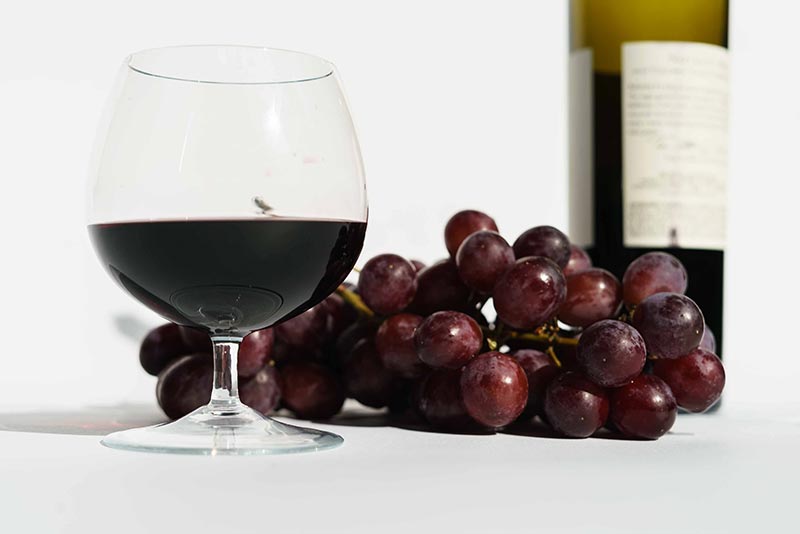 Red wine is one of the more recognizable culprits when it comes to beverage-related tooth staining. Its deep color comes from pigments in grape skins, including anthocyanins. Red wine also contains tannins, which can help those pigments adhere to tooth surfaces.
Over time, repeated exposure can contribute to extrinsic stains, meaning discoloration that develops on the outside of the teeth. These stains may make your smile look darker or less bright, especially if you also enjoy coffee, tea, or other deeply colored foods and beverages.
The amount of staining can vary depending on your enamel, oral hygiene habits, and how frequently you drink red wine. Some people notice discoloration sooner than others.
What About White Wine?
White wine may not have the same deep pigments as red wine, but that doesn't mean it is completely harmless to your teeth. White wine is acidic, and frequent exposure to acidic beverages can contribute to enamel erosion.
Enamel is the hard outer layer that protects your teeth. When acids repeatedly soften and wear away enamel, teeth may become more sensitive and appear increasingly yellow as the underlying dentin becomes more visible. Unlike surface staining, enamel loss cannot simply be reversed with whitening.
In other words, red wine is more likely to leave noticeable pigment-related stains, while both red and white wine can expose teeth to acids. How often you drink and how long your teeth are exposed to the beverage matter.
Simple Ways to Protect Your Teeth While Enjoying Wine
You can make a few easy changes to help reduce wine's effects on your smile. These habits are especially useful if you enjoy wine tastings or regularly have a glass with meals.
Sip water between glasses. Alternating wine with water helps rinse away pigments and acids. Drinking water throughout the evening also supports saliva production, which naturally helps protect your teeth.
Avoid swishing wine around your mouth. It may be tempting to move wine around while tasting it, but prolonged contact gives acids and pigments more time to interact with your teeth. Sip and swallow rather than holding wine against your teeth.
Wait before brushing. Because wine is acidic, it can temporarily soften the enamel surface. Brushing immediately afterward may contribute to enamel wear. Rinse with water and wait about an hour before brushing.
Enjoy cheese with your wine. Cheese and other calcium-rich foods can help neutralize acids in the mouth. Pairing wine with a meal or snack can also encourage saliva production, helping your mouth naturally manage acid exposure.
Keep up with daily oral hygiene. Brush twice a day with fluoride toothpaste and clean between your teeth daily. Regular dental cleanings can also help remove surface buildup that contributes to discoloration.
These steps won't eliminate every stain or prevent all enamel changes, but they can help reduce unnecessary exposure and support a healthier smile.
Can Professional Teeth Whitening Remove Wine Stains?
If your teeth have started looking dull or stained, professional whitening may help restore a brighter appearance. At Pacific Coast Dentistry, Dr. Keyla Springe offers professional Opalescence™ teeth whitening in both in-office and take-home options.
In-office whitening is designed for patients who want a noticeable change in a single visit. The practice offers Opalescence Boost, which can brighten teeth in approximately one hour. During treatment, the gums are protected before the whitening gel is applied.
For patients who prefer to whiten gradually at home, custom-fitted trays and professional-strength gel provide another option. The trays are made to fit your teeth, and the team can help determine the appropriate gel and treatment schedule based on your goals and sensitivity.
Professional whitening can be effective for many types of surface discoloration, including stains associated with red wine. However, whitening does not repair enamel erosion, and it may not change the color of crowns, veneers, or fillings. A dental evaluation can help determine whether whitening is appropriate and what kind of results you can reasonably expect.
Keep Your Smile Bright in Paso Robles
Enjoying Paso Robles wine country and caring for your teeth can go hand in hand. Drinking water between glasses, avoiding prolonged exposure to acidic beverages, waiting before brushing, and maintaining regular dental visits are all practical ways to protect your smile.
If wine stains have you wishing for a brighter smile, Pacific Coast Dentistry can help you explore professional whitening options. Dr. Springe and her team offer personalized cosmetic dental care, including in-office and take-home Opalescence whitening, to help patients work toward their smile goals.
Contact Pacific Coast Dentistry in Paso Robles to schedule a consultation and find out what professional teeth whitening can do for you!
